
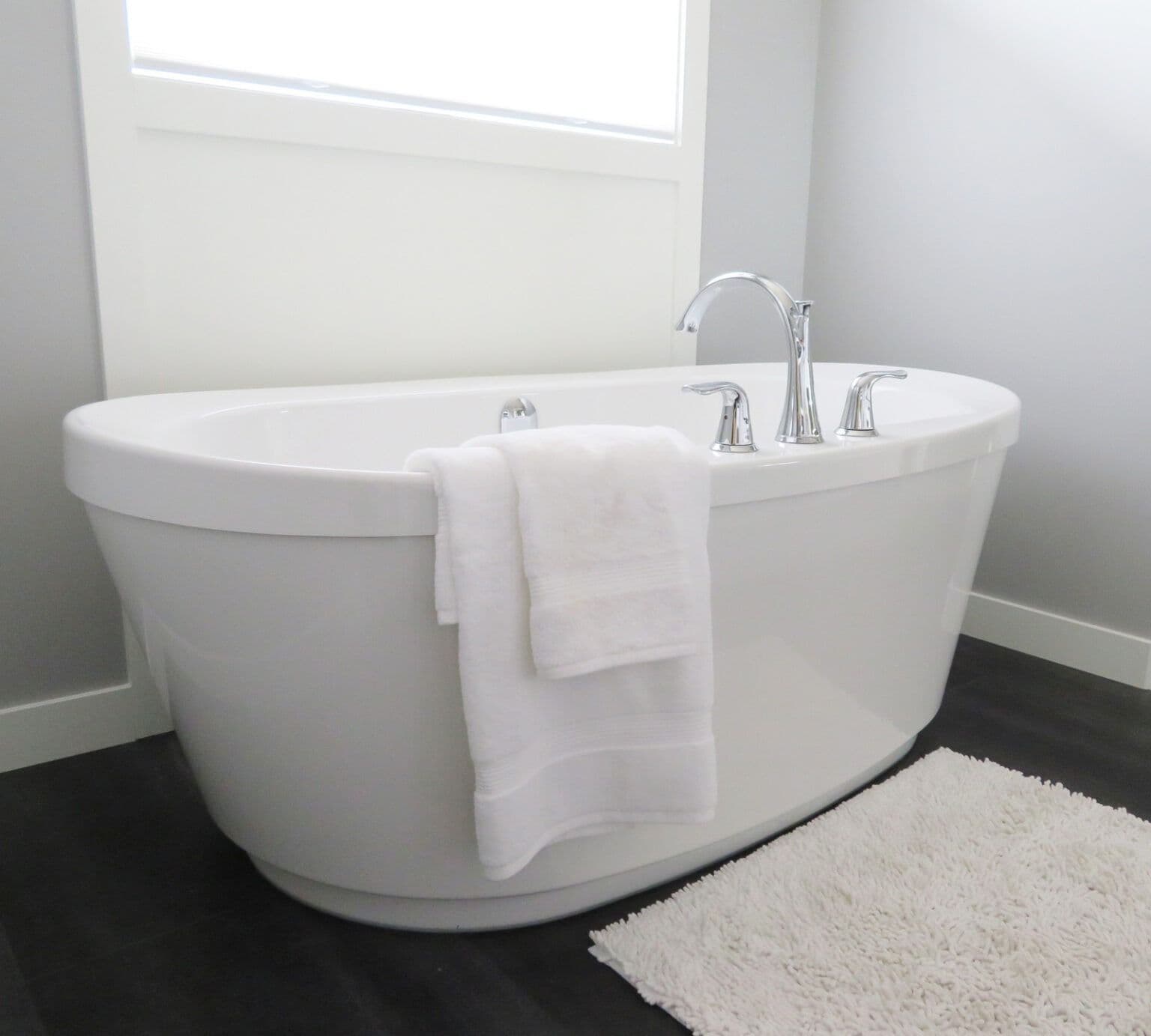
Walk-In Tub Installation: Should You DIY or Hire a Professional?
Installing a walk-in tub can make bathing safer and more accessible, but getting the tub into place is only part of the job. Unlike a basic bathtub swap, walk-in tub installation may involve plumbing changes, electrical work, drainage, waterproofing, accessibility planning, and repairs to the surrounding space. If you are deciding between DIY and professional installation, knowing what the project actually requires can help you avoid expensive mistakes, protect your investment, and make sure the finished tub works the way it should.
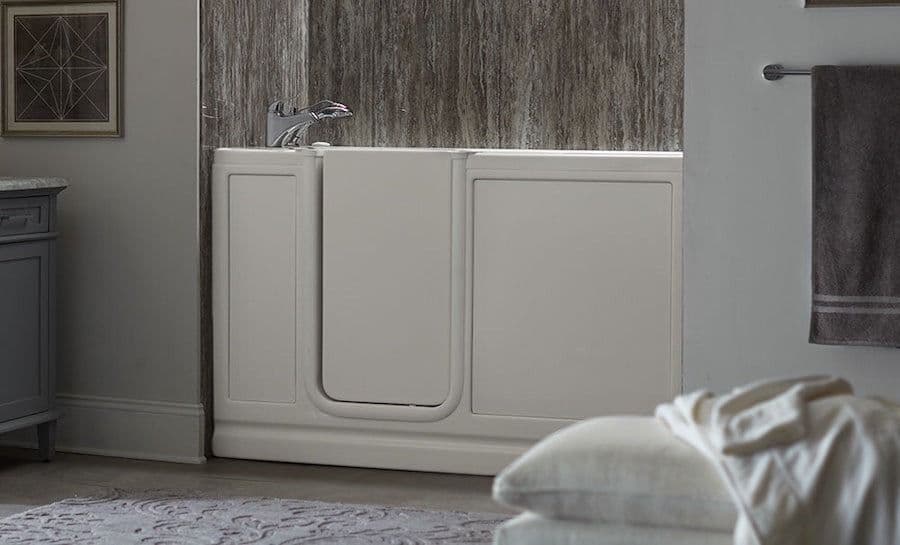
At Top Tier Kitchens & Baths, we help homeowners throughout Missouri, Arkansas, and Kansas plan accessible bathroom upgrades with confidence. Our team installs walk-in tubs with careful attention to the tub itself, the condition of the bathroom, and the needs of the person who will use it.
In this guide, we will break down what DIY and professional walk-in tub installation involve, where the biggest risks tend to appear, and what to consider before deciding who should handle the job. Contact us today to schedule a consultation and get expert guidance on a walk-in tub installation that is safe, reliable, and built around your home.
$1000 Off Your Bathroom Remodel
Or Get $500 Off Your Kitchen Remodel*
By submitting this form, I agree to Top Tier Kitchens & Baths Terms & Conditions and Privacy Policy .
Why Walk-In Tub Installation Is More Involved Than a Standard Tub Swap
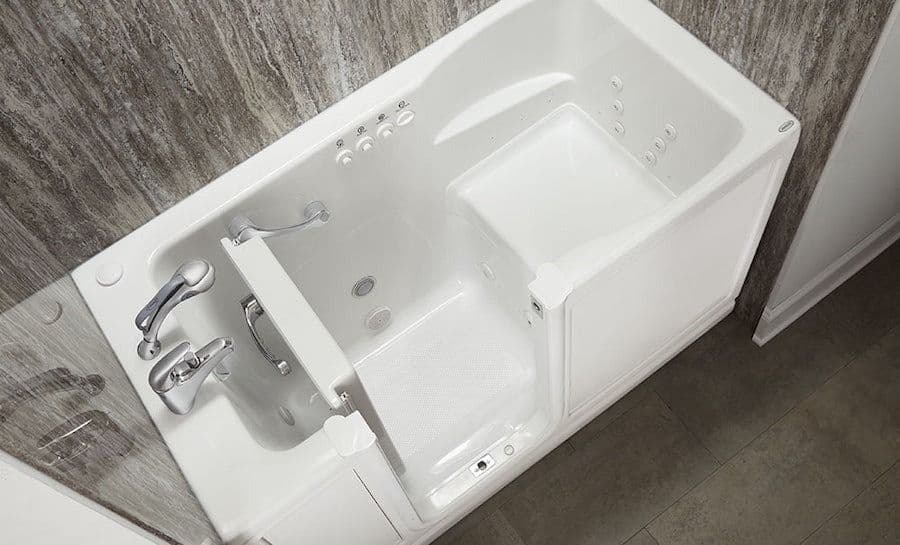
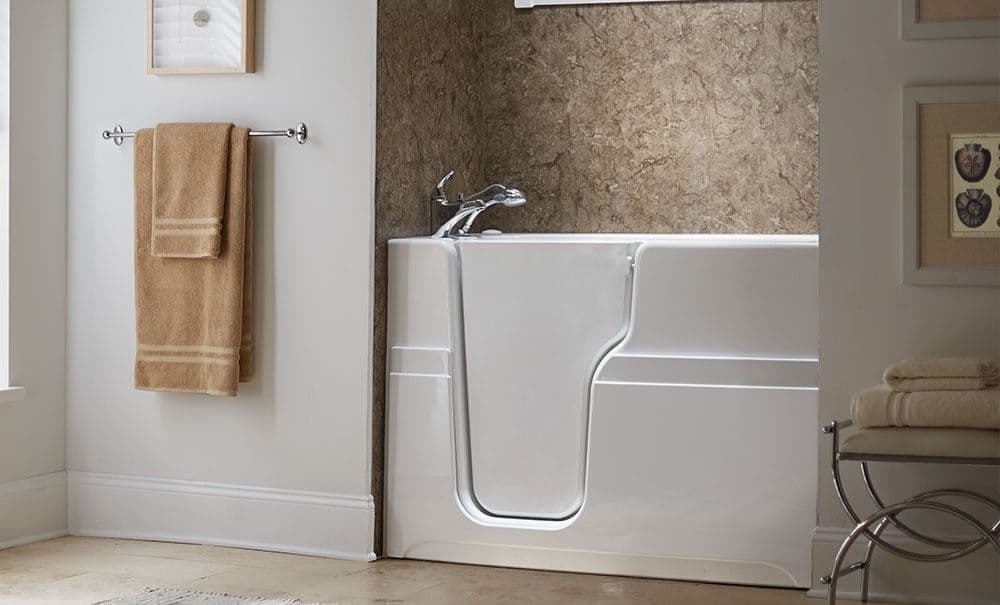
A walk-in tub is not simply a conventional bathtub with a door.
Depending on the model, installation may involve:
Removing and disposing of the existing bathtub
Measuring and preparing the opening
Adjusting supply lines and drain connections
Connecting a handheld showerhead
Providing electrical service for pumps, heaters, jets, or other powered features
Leveling and securing the tub
Waterproofing surrounding areas
Testing the watertight door and seals
Checking fill and drainage performance
Repairing surrounding walls, flooring, or trim
Some tubs may fit within the general footprint of an existing bathtub, but that does not guarantee that existing plumbing, wiring, or surrounding materials are ready for the new system.
That is why evaluating the entire bathroom before removing the old tub is so important.
What Does DIY Walk-In Tub Installation Require?
DIY installation can initially be appealing because eliminating professional labor may seem like an easy way to lower the project cost.
The challenge is that you need more than general home-improvement skills.
A successful DIY installation may require experience with:
Plumbing
The tub needs properly configured hot- and cold-water supplies and a reliable drain connection. Existing pipes may need to be moved or modified depending on the location of the new tub's valves and drain.
Leaks are particularly important to prevent because water can damage walls, subflooring, framing, and finishes. The U.S. Environmental Protection Agency advises homeowners to correct plumbing leaks and other moisture problems promptly because persistent moisture can contribute to mold growth.
Electrical Work
Many walk-in tubs include powered features such as hydrotherapy jets, air systems, pumps, heated surfaces, or other components.
Electrical work in a bathroom deserves particular caution because electricity and water create an obvious hazard. OSHA identifies wet conditions as one factor that increases the risk associated with electrical work.
Electrical requirements vary by product and local code, so installation instructions and applicable electrical requirements should be followed carefully. Depending on the work involved, a qualified electrician may be needed.
Carpentry and Finish Work
Removing an existing tub can reveal walls, framing, flooring, or subflooring that need attention. The new tub may also be a different size than the old one, requiring filler panels, trim, wall repairs, or other finish work.
Moving and Positioning the Tub
Walk-in tubs can be large and difficult to maneuver through doorways and around bathroom fixtures. Getting the tub into place without damaging the product, flooring, doors, or walls is another part of the installation that can be easy to underestimate.
What Can Go Wrong With DIY Walk-In Tub Installation?
The biggest risk with DIY installation is not necessarily that the tub will look wrong. It is that a problem may remain hidden until after the bathroom is put back together.
Leaks Behind the Tub
A connection that appears secure can still leak slowly once the tub is being filled and drained regularly.
Water may travel underneath flooring or behind walls before the problem becomes obvious. Because the EPA identifies moisture control as central to controlling mold, watertight plumbing and proper moisture management are essential in any bathing-area installation.
Inadequate Drainage
Walk-in tub users generally remain inside while the tub drains before opening the door. Poor drain performance can therefore affect both convenience and comfort.
Drain performance depends on the tub, household plumbing, and installation conditions. Existing drain lines may not always be ideally configured for the new system.
Improper Electrical Connections
Tubs with powered features add another layer of installation complexity. Electrical connections need to match the manufacturer's requirements and applicable codes.
For homeowners who are not experienced with electrical work, this is one area where DIY cost savings are unlikely to justify unnecessary risk.
Poor Fit or Clearance
A walk-in tub should not merely fit between two walls. There also needs to be appropriate room to enter the tub, operate the door, reach controls, and use support features.
The federal ADA Standards do not automatically apply to every private residential bathroom, but their accessible bathtub provisions illustrate the importance of factors such as clear floor space, seating, grab bars, control placement, and unobstructed transfer areas.
Those considerations are especially relevant when the reason for installing the tub is improved accessibility.
Why Professional Walk-In Tub Installation Is Worth It
Professional installation costs more than doing all the work yourself, but the value comes from coordinating several parts of the project correctly.
The Bathroom Is Evaluated Before Installation
Measurements should be taken before the tub is ordered or demolition begins.
That evaluation can identify potential issues with:
Available space
Door and hallway access
Water supply lines
Drain location
Electrical needs
Water-heater capacity
Flooring and walls
Door swing and transfer space
Discovering these issues before installation is usually easier than addressing them after the old bathtub is already gone.
Plumbing and Electrical Requirements Are Coordinated
Plumbing and electrical work are two of the main reasons walk-in tub installation differs from a typical DIY project.
A professional project can coordinate these systems rather than leaving the homeowner to determine which trade is needed at each stage.
Hidden Problems Can Be Addressed
Removing an old tub sometimes reveals issues that were previously concealed.
Possible discoveries include:
Plumbing leaks
Water-damaged materials
Deteriorated subflooring
Inadequate framing
Previous installation mistakes
These issues do not necessarily mean the project cannot proceed, but they should be corrected before the new tub conceals the area again.
The Tub Can Be Tested Before the Job Is Complete
Installation should include more than placing the tub and attaching the faucet.
The tub should be checked for proper operation, including the door seal, plumbing connections, drainage, controls, and any powered features. Problems are much easier to address before the surrounding finish work is complete.
Does Professional Installation Protect Your Walk-In Tub Warranty?
It can, depending on the manufacturer and specific warranty terms.
Some manufacturers place conditions on who installs the tub or how installation must be performed. Others may exclude damage caused by improper installation even if DIY installation itself is not prohibited.
Before deciding to install a tub yourself, read the warranty rather than assuming product defects and installation problems are covered equally.
Also ask:
Does installation need to be performed by an authorized or trained installer?
Are plumbing and electrical installation problems covered?
What documentation should be retained?
Is labor covered separately from the tub itself?
Who handles a warranty claim after installation?
These questions can make a meaningful difference when comparing the apparent savings of DIY installation with the protections included in a professionally installed project.
When Might DIY Walk-In Tub Installation Be Realistic?
Professional installation is the better fit for most homeowners, but DIY may be realistic in limited circumstances.
A homeowner might consider it if they:
Have substantial plumbing and remodeling experience
Understand the tub manufacturer's installation requirements
Know how to determine applicable permit and code requirements
Have qualified help available for electrical work when needed
Can safely move and position the tub
Know how to test connections and waterproofing
Understand how self-installation may affect warranty coverage
Even then, "DIY" does not have to mean doing everything personally. A homeowner may still need licensed or qualified tradespeople for portions of the work.
If several specialists must ultimately be hired and coordinated, a professionally managed installation may offer better value than initially expected.
Why Homeowners Choose Top Tier Kitchens & Baths
At Top Tier Kitchens & Baths, our goal is to make bathroom remodeling easier to navigate from the initial evaluation through installation.
For walk-in tub projects, Top Tier uses certified, factory-trained installers. The company also backs its installation work with a one-year labor warranty in addition to applicable manufacturer warranty coverage.
Homeowners throughout Missouri, Arkansas, and Kansas also benefit from a remodeling process that includes an in-home consultation, detailed pre-installation measurements, professional installation, and continued warranty support.
For homeowners considering additional accessibility improvements, Top Tier also offers bathroom remodeling for seniors, low-threshold showers, and walk-in showers.
A Better Walk-In Tub Starts With Better Installation
A walk-in tub should make everyday bathing easier, safer, and more comfortable. That depends not only on the tub you choose, but also on how well it is installed.
Proper walk-in tub installation helps support reliable drainage, secure plumbing connections, safe entry and exit, effective waterproofing, and the performance of any powered or accessibility features. For most homeowners, that makes professional installation the more practical choice, especially when the project involves plumbing, electrical work, structural changes, or accessibility considerations.
Upgrade your bathroom today with a walk-in tub you can trust. Contact us today to schedule a consultation. Our team can assess your bathroom, explain what the installation will require, and help you move forward with a walk-in tub that is set up to perform safely and reliably for years to come.
FAQ
Q: Can I install a walk-in tub myself?
It is possible for a homeowner with advanced plumbing, remodeling, and installation experience to handle some or all of the project. However, many walk-in tubs also require electrical work, drain modifications, waterproofing, and precise setup, which makes professional installation the more practical choice for most homeowners.
Q: Does a walk-in tub require special plumbing?
Sometimes. The existing water supply and drain lines may need to be adjusted depending on the tub model and bathroom layout. Drain performance is especially important because the user typically remains inside the tub until the water has drained.
Q: Does a walk-in tub need electrical work?
It may. Walk-in tubs with hydrotherapy jets, air systems, heated surfaces, pumps, or other powered features can require electrical connections. The exact requirements depend on the tub model and applicable local codes.
Q: How long does professional walk-in tub installation take?
Installation time varies based on the bathroom, tub model, plumbing, electrical needs, and whether repairs or modifications are required. A straightforward replacement may be completed relatively quickly, while projects involving structural work or broader bathroom changes can take longer.
Q: Will a walk-in tub fit where my existing bathtub is?
Many walk-in tubs are designed to fit within the general footprint of a standard bathtub, but every bathroom is different. Doorway widths, floor space, plumbing locations, drain placement, wall conditions, and electrical access should all be evaluated before installation.
Q: Can DIY installation affect a walk-in tub warranty?
It can. Warranty terms vary by manufacturer, and some may exclude damage caused by improper installation or require certain work to be completed according to specific guidelines. Always review the product and labor warranty before deciding to install the tub yourself.
Q: What can go wrong with improper walk-in tub installation?
Potential problems include leaks, slow drainage, poor door sealing, inadequate waterproofing, electrical issues, unstable positioning, and damage to surrounding walls or flooring. These problems can affect both the tub’s performance and the condition of the bathroom.
Q: What should I ask a professional walk-in tub installer?
Ask who will perform the work, whether they are trained to install the specific tub model, what plumbing and electrical work is included, how unexpected damage is handled, whether the tub will be tested after installation, and what product and labor warranties apply.
Q: Is professional walk-in tub installation worth it?
For most homeowners, professional installation can provide greater confidence that plumbing, electrical, drainage, waterproofing, accessibility, and product setup are handled correctly. It can be especially valuable when the bathroom requires modifications or the tub includes powered features.
Related Topics
Get Started Today!
Submit a quote request on our website or give us a call at (417) 580-9717 to schedule a free, in-home consultation with one of our designers. We look forward to serving you!
Reviews
We recently had a complete kitchen remodel, added a full bathroom, and remodeled a half bath into a pantry. Top Tier was fantastic to work with and the results were beautiful.
We Had A walk in shower installed where we once had a tub Top tier had the whole project completed on time (2days) The folks that did the work did a excellent job I recommend Top Tier 100% We have some work in the future needing done and certainly will be using Top Tier again.
Top Tier Remodeled my bathroom. They were very professional, neat, and cooperative. We are very pleased with the quality of their work and the price. We definitely recommend Top Tier if you need Kitchen or Bathroom work.
We also had them remove and install a new back splash. Love what they did! They made sure the job was done, and done right. A great group of people to work with, very professional. We are so happy with the way the kitchen turned out! Highly recommended.
Joseph was a good salesman. He helped us pick out the colors that matched. The workers were courteous. They were pleasant and did good work.
Our Awards







Contact Us

Monday – Friday 9:00am – 5:00pm
