
How Long Will an Acrylic Tub Last? Lifespan Guide
Top Tier Kitchens & Baths helps homeowners create bathrooms that are more comfortable, functional, and enjoyable to use. If you are considering a bathtub replacement, one of the first questions you may have is, how long will an acrylic tub last? After all, replacing a bathtub is an investment, and you want to know that the new tub will continue looking and performing well for years to come.
The good news is that acrylic tubs offer a strong combination of durability, easy maintenance, comfort, and design flexibility. On average, an acrylic bathtub can last around 10 to 15 years. With quality materials, professional installation, proper support, and consistent care, some acrylic tubs can last 15 to 20 years or longer.
That range is important because there is no single expiration date for an acrylic bathtub. How long your tub actually lasts depends on several factors, including the quality of the tub, how it was installed, how frequently it is used, and how well it is maintained.
If you are thinking about upgrading your bathroom, understanding acrylic tub lifespan can help you decide whether this material is right for your home.
$1000 Off Your Bathroom Remodel
Or Get $500 Off Your Kitchen Remodel*
By submitting this form, I agree to Top Tier Kitchens & Baths Terms & Conditions and Privacy Policy .
How Long Will an Acrylic Tub Last?
So, how long will an acrylic tub last? The typical answer is 10 to 15 years, although a well-made acrylic tub that is properly installed and maintained may remain in good condition for 15 to 20 years or more. Some sources note that high-quality acrylic tubs may potentially last even longer when the right conditions are present.
It is also helpful to understand what "lifespan" means when discussing a bathtub. A tub does not necessarily become unusable the day it reaches 10 or 15 years. Instead, its lifespan generally refers to the period during which it maintains its appearance, structural integrity, comfort, and performance.
An acrylic tub that is several years old may still be perfectly functional. On the other hand, a tub that has experienced poor installation, improper cleaning, or significant damage may show signs of deterioration much sooner.
This is why the expected lifespan should be viewed as a general range rather than a guarantee.
Why Is Acrylic a Popular Bathtub Material?
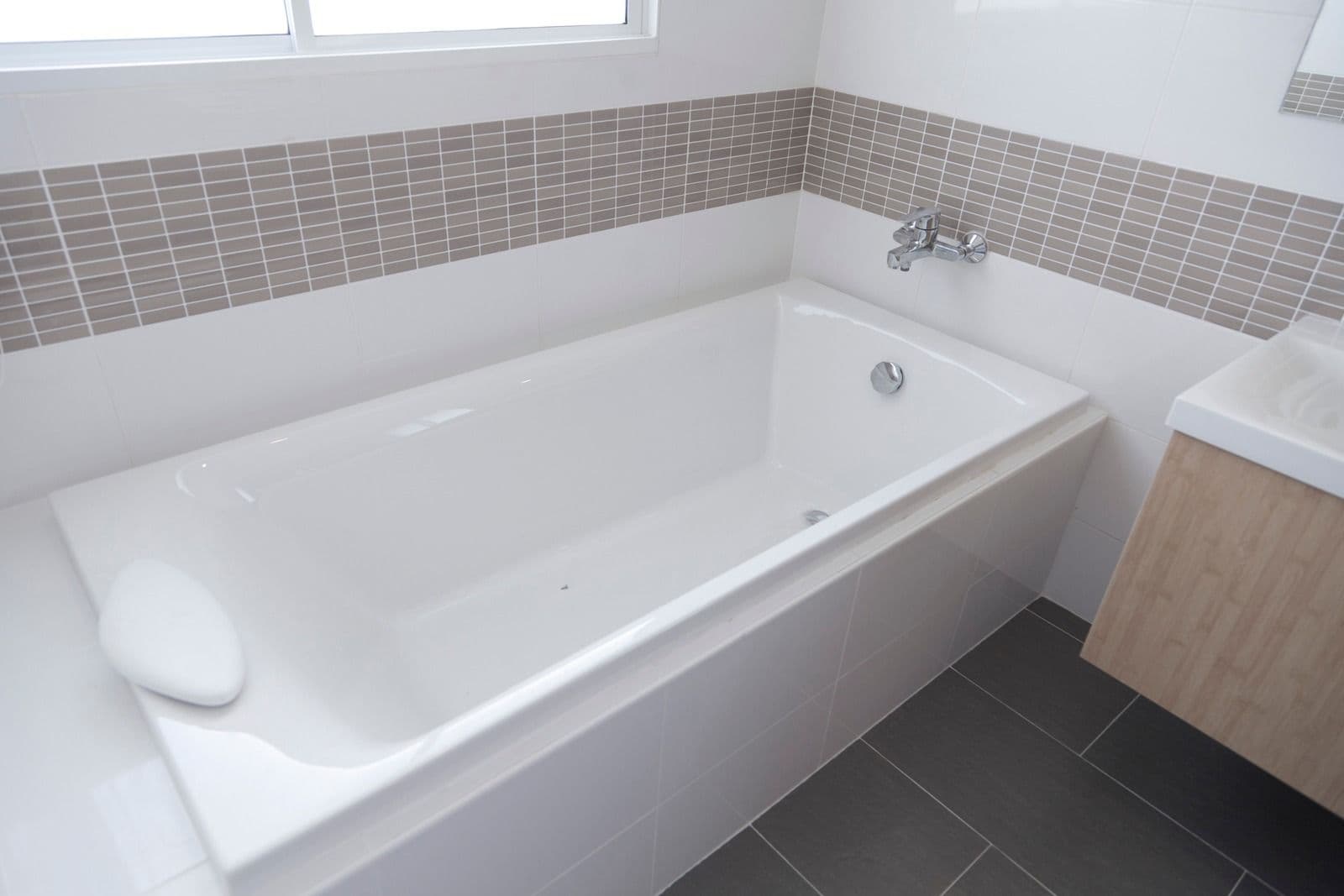
Acrylic has become a popular choice for bathroom remodeling because it offers a balance of durability and practicality. Compared with some heavier bathtub materials, acrylic is lightweight and easier to handle during installation. It also provides a warm, comfortable surface and can retain heat well during a bath.
Another advantage is the appearance of acrylic. The material can be manufactured in a variety of colors and styles, making it easier to coordinate a bathtub with the rest of a bathroom design.
Acrylic also has a smooth, nonporous surface. That makes it easier to clean and helps resist water absorption, staining, mold, and mildew.
Some of the qualities homeowners appreciate about acrylic include:
A comfortable, warmer-feeling surface
Lightweight construction
A smooth, nonporous finish
Resistance to everyday staining
Relatively easy cleaning and maintenance
Design flexibility
The ability to repair certain types of surface damage
These qualities make acrylic a practical option for homeowners who want a bathtub that combines everyday functionality with a clean, modern appearance.
What Determines How Long an Acrylic Tub Lasts?
The answer to how long will an acrylic tub last depends on more than the material itself. Two acrylic tubs could have very different lifespans because of differences in construction, installation, use, and maintenance.
1. The Quality of the Acrylic
Not every acrylic tub is manufactured to exactly the same standards. Higher-quality acrylic tubs may have thicker construction and additional reinforcement, while lower-quality products may be more susceptible to flexing, scratching, or premature wear.
Many modern acrylic tubs are constructed with multiple layers, including an acrylic surface and reinforcing materials such as fiberglass or resin. This construction helps provide additional support and durability.
When choosing a new tub, it is worth looking beyond appearance alone. The quality of the product can have a major impact on how well it holds up over time.
2. Professional Installation
Even a high-quality tub can experience problems if it is not installed correctly.
Acrylic is lightweight, which is one of its advantages, but proper support underneath the tub is important. If the tub is not adequately supported, excessive flexing can occur when someone steps into it. Over time, that movement may contribute to stress cracks or other structural problems.
Proper installation also helps ensure that the tub is level, stable, and appropriately supported from the beginning.
This is one reason professional installation matters when you are replacing an older bathtub. You are not simply choosing a new fixture. You are creating a system that needs to function correctly for years.
3. How Often the Tub Is Used
The amount of use your bathtub receives can also affect its longevity.
A bathtub used several times every day will naturally experience more wear than one located in a guest bathroom that is rarely used. That does not mean an acrylic tub cannot handle a busy household. A properly constructed and installed tub can still provide many years of service even with frequent use.
The key is to consider how the tub fits into your household. A heavily used family bathroom may place more demands on the tub than a secondary bathroom.
4. How You Clean and Maintain It
Maintenance is another important piece of the equation. Acrylic is durable, but its surface can be scratched by abrasive cleaning products or rough scrubbing tools.
For routine cleaning, gentle products and soft cleaning materials are recommended. Sources on acrylic bath care specifically advise avoiding abrasive materials such as steel wool and harsh chemicals such as bleach or ammonia.
Regular cleaning can also help prevent soap scum and buildup from becoming more difficult to remove.
A good maintenance routine is relatively simple:
Clean the tub regularly.
Use mild, nonabrasive cleaning products.
Use a soft sponge or microfiber cloth.
Avoid abrasive scrubbers.
Avoid harsh chemicals that can damage the surface.
Address small scratches or surface damage before they become larger problems.
Avoid dropping heavy objects into the tub.
Taking a few minutes to care for the surface can help preserve both its appearance and its condition.
Can Acrylic Tubs Scratch or Crack?
Acrylic is durable, but that does not mean it is completely immune to damage. Scratches can occur, particularly when abrasive cleaners or rough cleaning tools are used. Acrylic is also capable of being damaged by significant impacts.
The positive side is that minor surface damage does not necessarily mean you need to replace the entire tub.
Small scratches, dull spots, and some other forms of surface wear may be able to be buffed, polished, repaired, or professionally refinished.
This repairability can be another advantage of acrylic. A surface that has developed minor cosmetic wear may have additional usable life rather than requiring immediate replacement.
However, deep cracks, significant structural damage, persistent leaks, or noticeable instability are different matters. These problems can indicate that the tub has reached the point where replacement should be considered.
Signs Your Acrylic Tub May Need to Be Replaced
Age alone does not necessarily mean it is time for a new bathtub. Instead, look at the condition and performance of the tub.
Some common signs that an acrylic tub may be reaching the end of its useful life include:
Deep cracks or significant structural damage
Persistent staining or discoloration
Noticeable flexing or instability
Recurring repairs
Leaks
A surface that has become difficult to keep clean
A design or layout that no longer works for your needs
Leaks deserve particular attention. A leak can potentially contribute to problems behind or underneath the tub, so it should not simply be ignored.
You should also consider functionality. A bathtub can still technically work while no longer being the right choice for your household. For example, a homeowner may decide to replace an older tub because it is difficult to step over, uncomfortable to use, or no longer fits the way the bathroom is being used.
Acrylic vs. Other Bathtub Materials
Acrylic is not the only bathtub material available. Fiberglass, porcelain, enameled steel, and cast iron are also common options, and each material offers its own advantages when it comes to durability, maintenance, appearance, and cost.
Acrylic tubs typically last about 10 to 15 years, although they can potentially last longer with proper care and installation. They are lightweight, comfortable, relatively easy to maintain, and available in a variety of styles.
Fiberglass tubs generally have a shorter lifespan of about 5 to 10 years. They are affordable and lightweight, but the surface can be more susceptible to fading and scratching over time.
Porcelain tubs can last approximately 10 to 20 years. Their smooth surface is easy to clean, but porcelain can chip if it experiences significant impact or damage.
Enameled cast iron tubs can last considerably longer, with an expected lifespan of roughly 30 to 50 years. They are extremely durable, but their significant weight can make installation more challenging.
The longest possible lifespan is not necessarily the only factor worth considering when choosing a bathtub. Your new tub should also fit your budget, bathroom layout, maintenance preferences, comfort needs, and overall design goals.
Acrylic can be appealing because it offers a practical middle ground. It provides a long service life without the substantial weight of cast iron while offering a smooth, comfortable surface and plenty of design flexibility. For many homeowners, that combination makes acrylic a worthwhile choice for a bathroom remodel.
Does an Acrylic Tub Make Sense for a Bathroom Remodel?
For many homeowners, the answer can be yes.
If your existing bathtub is outdated, stained, damaged, difficult to clean, or simply no longer fits your needs, replacing it can be an important part of a bathroom upgrade. Acrylic can provide a fresh appearance while offering a practical surface for everyday use.
It can also make sense when you are thinking beyond the bathtub itself.
At Top Tier Kitchens & Baths, homeowners can explore options ranging from full bathroom conversions and remodels to projects designed specifically for small bathrooms or seniors, along with freestanding tubs, walk-in tubs, shower remodels, and even kitchen remodeling.
That means a bathtub replacement does not have to be viewed as an isolated project. It can be an opportunity to rethink how the entire room works for you.
When Should You Replace an Acrylic Tub?
There is no universal year when every acrylic bathtub should be replaced. Instead, consider the tub's age alongside its current condition.
If your acrylic tub is approaching or exceeding the 10 to 15-year range but still looks good, feels stable, does not leak, and meets your needs, it may continue providing useful service. Proper care can help extend its life beyond the average range.
On the other hand, a relatively newer tub that has serious structural damage may need attention sooner.
You should also think about whether the bathroom itself has changed. Maybe your household has grown, your mobility needs have changed, or you simply want a more modern and comfortable space. In those situations, replacement may make sense even if the existing tub has not completely failed.
A bathroom remodel is about more than waiting until something stops working. It can also be about making the room safer, more comfortable, easier to maintain, and better suited to your everyday life.
How to Get the Most Life From Your Acrylic Tub
If you already have an acrylic bathtub and want to maximize its lifespan, focus on consistent care rather than complicated maintenance.
Keep the surface clean with appropriate products, avoid abrasive materials, and address problems early. Pay attention to changes in the tub's stability, appearance, and performance.
Installation is equally important. Proper support underneath the tub helps prevent excessive movement and stress over time.
Finally, do not overlook minor problems. A small scratch may be manageable, while a deep crack or leak can become a much bigger concern. Taking action when you first notice an issue can help you determine whether repair or replacement makes the most sense.
The Bottom Line on Acrylic Tub Lifespan
So, how long will an acrylic tub last? For most homeowners, a reasonable expectation is around 10 to 15 years, with the potential for 15 to 20 years or longer when the tub is high quality, properly installed, well supported, and consistently maintained.
Acrylic is popular for good reason. It is lightweight, comfortable, relatively easy to maintain, and available in a variety of styles. Its nonporous surface helps resist staining and moisture absorption, while minor surface damage may sometimes be repaired rather than requiring immediate replacement.
Ultimately, the right bathtub is the one that fits your space, budget, lifestyle, and long-term goals. If your current tub is showing signs of age or you are ready for a bathroom that better meets your needs, a professional remodeling consultation can help you determine your options.
Ready to Upgrade Your Bathroom?
If your bathtub is showing its age or you are ready for a more comfortable, functional bathroom, Top Tier Kitchens & Baths can help you explore your remodeling options. From bathtub and shower updates to bathroom conversions, walk-in tubs, and complete kitchen and bathroom remodeling, our team can help you create a space that works for your home.
Contact Top Tier Kitchens & Baths online or call 417-887-1100 today to schedule your free in-home consultation and take the first step toward your next remodeling project.
FAQ: Acrylic Tub Lifespan
1. How long will an acrylic tub last?
An acrylic tub typically lasts about 10 to 15 years. With quality construction, proper installation, good support, and regular maintenance, it may last 15 to 20 years or longer.
2. Are acrylic tubs durable?
Yes. Acrylic provides a balance of durability, comfort, and easy maintenance. Its reinforced construction can help it withstand everyday use, although the surface can still be scratched by abrasive cleaning products or tools.
3. How do you make an acrylic tub last longer?
Clean it regularly with mild, nonabrasive products, use soft cleaning tools, avoid harsh chemicals, address minor damage promptly, and make sure the tub has proper support underneath.
4. Can an acrylic bathtub be repaired?
Minor surface damage, including some scratches and dull spots, may be buffed, polished, repaired, or refinished. Deep cracks, leaks, or significant structural damage may require replacement.
5. Is acrylic better than fiberglass for a bathtub?
Both materials can be lightweight and practical, but the sources reviewed generally describe acrylic as more durable and longer-lasting than fiberglass. Acrylic also has a nonporous surface and tends to flex less than fiberglass.
Related Topics
- How to Maximize Your Bathroom Space with Smart Layout Design
- Affordable Shower Makeover Ideas for 2026
Get Started Today!
Submit a quote request on our website or give us a call at (417) 580-9717 to schedule a free, in-home consultation with one of our designers. We look forward to serving you!
Reviews
We recently had a complete kitchen remodel, added a full bathroom, and remodeled a half bath into a pantry. Top Tier was fantastic to work with and the results were beautiful.
We Had A walk in shower installed where we once had a tub Top tier had the whole project completed on time (2days) The folks that did the work did a excellent job I recommend Top Tier 100% We have some work in the future needing done and certainly will be using Top Tier again.
Top Tier Remodeled my bathroom. They were very professional, neat, and cooperative. We are very pleased with the quality of their work and the price. We definitely recommend Top Tier if you need Kitchen or Bathroom work.
We also had them remove and install a new back splash. Love what they did! They made sure the job was done, and done right. A great group of people to work with, very professional. We are so happy with the way the kitchen turned out! Highly recommended.
Joseph was a good salesman. He helped us pick out the colors that matched. The workers were courteous. They were pleasant and did good work.
Our Awards







Contact Us

Monday – Friday 9:00am – 5:00pm
