
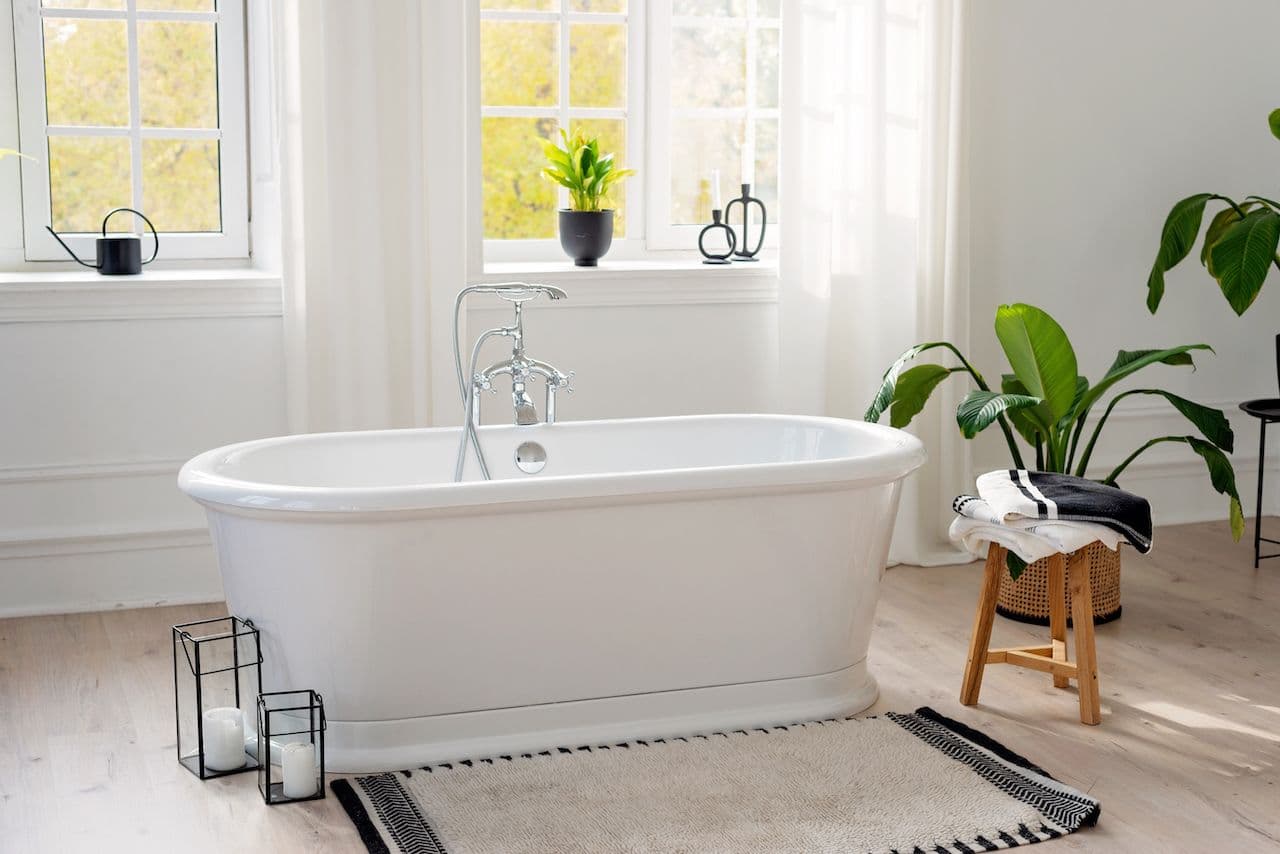
Fiberglass vs Acrylic Tubs: Which Is Better for Your Bathroom?
Choosing a new bathtub is about more than finding a style you like. The material you choose can affect your tub's appearance, durability, maintenance requirements, and overall bathroom experience.
When comparing fiberglass vs acrylic tubs, homeowners will typically find that both materials offer advantages, but they perform differently over time. Understanding those differences can make it easier to choose the right bathtub for your space and remodeling goals.
If you're planning a bathroom update in Springfield, MO, or the surrounding area, contact Top Tier Kitchens & Baths at 417-887-1100 to discuss your bathroom remodeling project and explore your options.
Fiberglass vs Acrylic Tubs at a Glance
If you want the quick answer, here's how the two materials generally compare:
Acrylic tubs: Typically offer a smooth, nonporous surface, strong color retention, and good durability.
Fiberglass tubs: Are lightweight, affordable, and widely used in bathroom construction.
Acrylic: Usually has the advantage when long-term appearance and durability are priorities.
Fiberglass: May be appealing when keeping initial costs lower is especially important.
Both materials: Are relatively lightweight compared with heavy cast-iron tubs and can be available in a variety of shapes and styles.
Neither material: Is completely maintenance-free. Proper cleaning and care are important for keeping any tub looking its best.
The right choice ultimately depends on your budget, how frequently the tub will be used, your preferred appearance, and how long you expect the installation to last.
$1000 Off Your Bathroom Remodel
Or Get $500 Off Your Kitchen Remodel*
By submitting this form, I agree to Top Tier Kitchens & Baths Terms & Conditions and Privacy Policy .
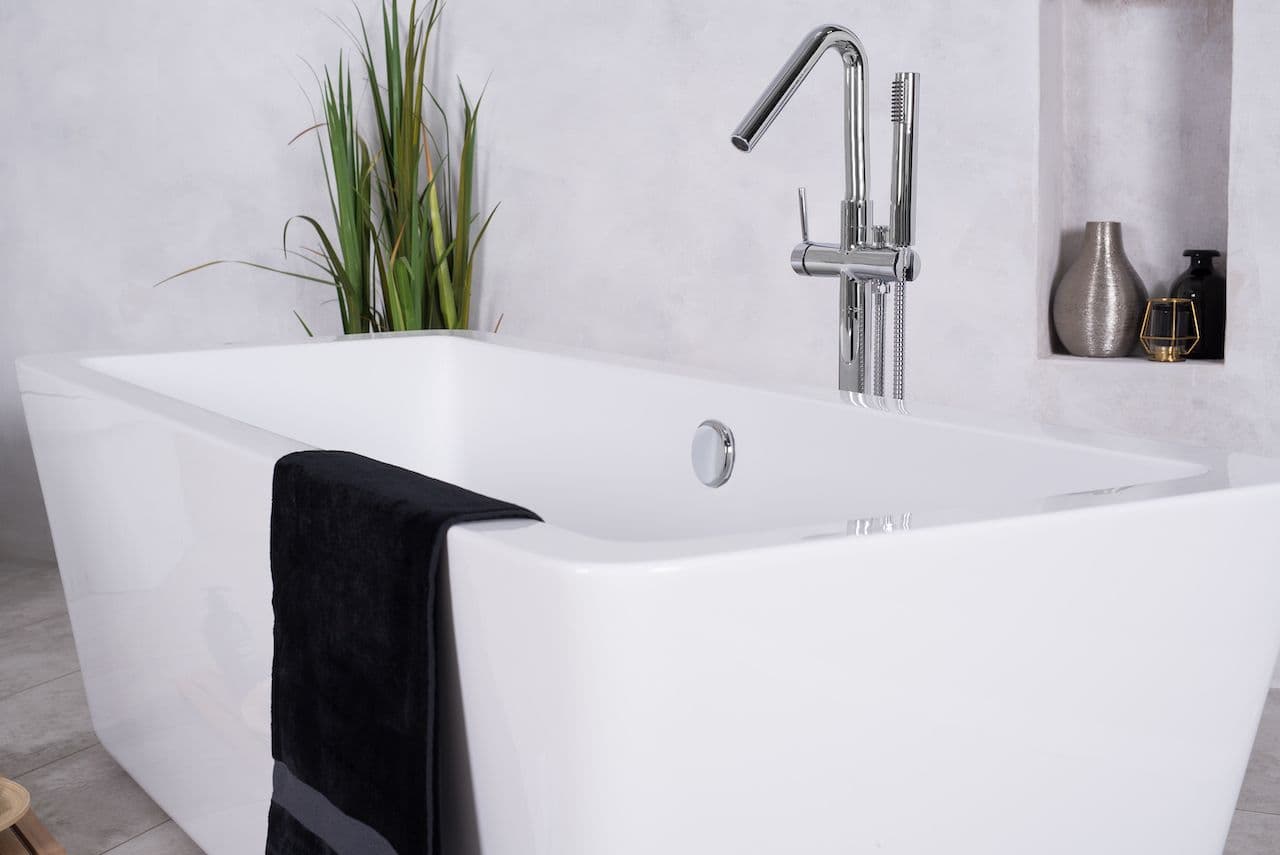
What Are Fiberglass Tubs?
Fiberglass tubs are made using glass fibers combined with resin to create a lightweight structural material. The finished tub generally has a smooth surface coating that provides its appearance and helps protect the underlying material.
Fiberglass has been used in residential bathrooms for decades because it can be manufactured into a variety of shapes and is relatively lightweight. Its lower weight can make handling and installation easier than some heavier bathtub materials.
One reason fiberglass remains popular is affordability. If you're remodeling a bathroom on a tighter budget, fiberglass may provide a practical way to replace an outdated tub without choosing a significantly heavier or more expensive material.
However, the surface of fiberglass can be more susceptible to wear than some higher-end bathtub materials. Scratches, discoloration, and surface damage can become more noticeable over time, particularly in a heavily used bathroom.
Fiberglass Bathtub Pros and Cons
Understanding the fiberglass bathtub pros and cons can help you determine whether it fits your remodeling priorities.
Pros of fiberglass tubs:
- Generally lightweight
- Often more budget-friendly
- Available in many common bathtub configurations
- Relatively easy to handle during installation
- Can provide a clean, attractive appearance when properly maintained
Cons of fiberglass tubs:
- Surface may be more prone to scratching
- Can show wear and discoloration over time
- May feel less substantial than some other tub materials
- Surface damage can become more noticeable with age
- Long-term appearance can depend heavily on cleaning and maintenance
For a guest bathroom or another space that doesn't receive heavy daily use, fiberglass may be a reasonable option. However, homeowners who prioritize long-term durability and a premium appearance may want to consider acrylic.
What Are Acrylic Tubs?
Acrylic tubs are made from formed acrylic sheets. The material is commonly reinforced to provide the strength needed for a bathtub application.
One of the biggest advantages of acrylic is its smooth, nonporous surface. That makes acrylic tubs relatively easy to clean and helps prevent water from soaking into the surface itself.
Acrylic is also popular because it can be manufactured in many shapes, sizes, and styles. That flexibility makes it useful for homeowners who want a bathtub that complements a particular bathroom design.
Another benefit is appearance. Quality acrylic tubs can maintain a glossy, finished appearance for years when they are cleaned with products appropriate for the manufacturer's recommendations.
When considering the acrylic bathtub pros and cons, it's important to look beyond the initial appearance.
Pros of acrylic tubs:
- Smooth, nonporous surface
- Easy to clean
- Available in numerous styles and configurations
- Generally durable for everyday residential use
- Color and finish can remain attractive with proper care
- Minor surface scratches may sometimes be repairable or buffable, depending on the product
Cons of acrylic tubs:
- Can cost more than basic fiberglass options
- The surface can still scratch if abrasive cleaners or harsh tools are used
- Quality varies between products and manufacturers
- Proper installation and support are important for long-term performance
For homeowners who plan to use their bathtub regularly and want a combination of appearance, maintenance, and durability, acrylic can be an attractive choice.
Fiberglass vs Acrylic Tubs: Key Differences
The easiest way to compare fiberglass vs acrylic tubs is to look at the characteristics that matter most during everyday use.
Initial Cost
Fiberglass: Generally more budget-friendly
Acrylic: Generally costs more
Durability
Fiberglass: Good with proper care
Acrylic: Generally very good with proper care
Surface
Fiberglass: Smooth coated surface
Acrylic: Smooth, nonporous surface
Cleaning
Fiberglass: Relatively easy to clean
Acrylic: Relatively easy to clean
Scratch Resistance
Fiberglass: More susceptible to visible wear
Acrylic: Can scratch, but minor damage may be repairable depending on the product
Appearance
Fiberglass: May show wear or discoloration over time
Acrylic: Typically maintains its appearance well with proper care
Best For
Fiberglass: Budget-conscious bathroom remodels
Acrylic: Homeowners prioritizing durability and long-term appearance
It's important to remember that these are general material characteristics. The quality of the specific tub, its reinforcement, installation, and how it is maintained can make a significant difference.
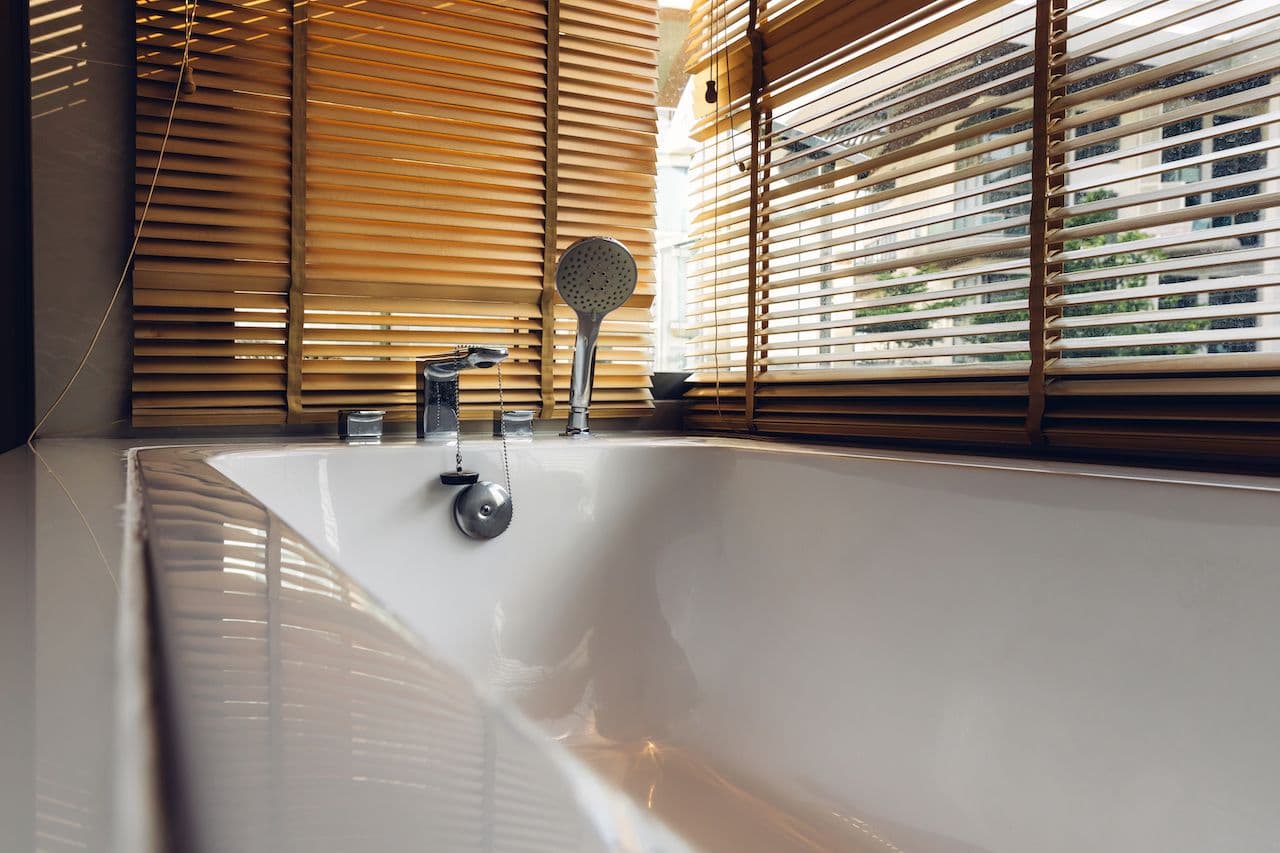
Acrylic vs Fiberglass Bathtub: Which Lasts Longer?
One of the most common questions homeowners ask when comparing an acrylic vs fiberglass bathtub is which material will last longer.
In general, acrylic is often considered the more durable choice for homeowners who want to maintain the tub's appearance over many years. Its nonporous surface is resistant to absorbing moisture, and the material can often be repaired if minor scratches occur.
Fiberglass can also provide years of service, particularly when it is properly installed and maintained. However, the surface may be more susceptible to visible scratching, fading, and general wear.
That doesn't mean every acrylic tub will automatically outlast every fiberglass tub. Manufacturing quality, installation, cleaning practices, and frequency of use all matter.
For example, using abrasive cleaners or rough scrubbers can damage the finish of either material. Following the manufacturer's care recommendations is one of the simplest ways to protect your investment.
Fiberglass vs Acrylic Bathtub: Which Is Easier to Clean?
Both fiberglass vs acrylic bathtub options can be relatively easy to clean, but acrylic has an advantage because of its nonporous surface.
Acrylic doesn't have pores that absorb water, which makes the surface easier to wipe down. Regular cleaning can also help prevent soap residue and mineral buildup from becoming difficult to remove.
Fiberglass can also be cleaned without much difficulty. The important consideration is avoiding overly abrasive products or cleaning tools that can scratch or dull the surface.
For either material, a good maintenance routine generally includes:
Rinsing the tub after use when practical
Using a soft cloth or nonabrasive sponge
Choosing cleaners recommended for the tub's surface
Avoiding harsh scouring powders
Addressing stains and buildup before they become difficult to remove
Following the manufacturer's cleaning instructions
The U.S. Environmental Protection Agency recommends controlling moisture in bathrooms and using bathroom exhaust fans to remove moisture from the room. Proper ventilation can help protect the bathroom environment as a whole—not just the bathtub.
Fiberglass vs Acrylic Tubs: What About Maintenance?
Maintenance is an important consideration regardless of which bathtub material you select.
A bathtub may look great when it is first installed, but everyday use eventually exposes the surface to soap, shampoo, hard-water deposits, cleaning products, and repeated temperature changes.
Acrylic's nonporous surface can make routine cleaning easier, but it still needs appropriate care. Fiberglass also benefits from frequent, gentle cleaning rather than occasional aggressive scrubbing.
You should also pay attention to the area surrounding the tub. Caulk, plumbing connections, and wall surfaces can all affect how well your bathroom manages water.
During a bathroom renovation, this is one reason it's worthwhile to look at the entire bathing area rather than treating the tub as an isolated fixture.
Choosing Between Fiberglass Tubs and Acrylic Tubs
So, which should you choose?
When comparing fiberglass tubs and acrylic tubs, start by identifying what matters most to you.
Choose Fiberglass If Budget Is Your Top Priority
If you're trying to keep the upfront cost of your bathroom project under control, fiberglass may be worth considering. Its lightweight construction and affordability can make it a practical choice for certain remodeling projects.
Fiberglass may also make sense in a bathroom that receives relatively light use.
Choose Acrylic If Durability Is a Priority
If you're looking for a bathtub that combines a durable surface with easy maintenance and a wide range of design possibilities, acrylic may be the better fit.
This can be especially appealing for a primary bathroom or family bathroom that receives frequent use.
Consider Acrylic for a More Refined Appearance
Homeowners who want their bathtub to remain attractive over time may prefer acrylic. Its smooth surface and wide range of available designs can make it easier to achieve a polished, updated bathroom.
Fiberglass vs Acrylic Tubs: What Else Should You Consider?
Material is only one part of the decision. Before purchasing a new tub, consider the following:
1. Bathroom Layout
Measure the existing tub area carefully. Standard dimensions are common, but bathroom layouts vary. The new tub needs to fit the available space while allowing room for surrounding fixtures and comfortable access.
2. Installation Requirements
Ask what preparation the installation will require. Removing an old tub may reveal damaged flooring, plumbing issues, or other problems that need to be addressed before the new tub can be installed.
3. Surround and Wall Materials
Don't overlook the walls around your tub. The tub and surrounding materials should work together to create a water-resistant bathing area.
4. Cleaning Routine
Think realistically about how much maintenance you want. If easy cleaning is high on your priority list, a smooth, nonporous acrylic surface may be appealing.
5. How Long You Plan to Stay
If you're remodeling a home you expect to live in for many years, it can make sense to prioritize durability and long-term satisfaction rather than choosing strictly based on initial price.
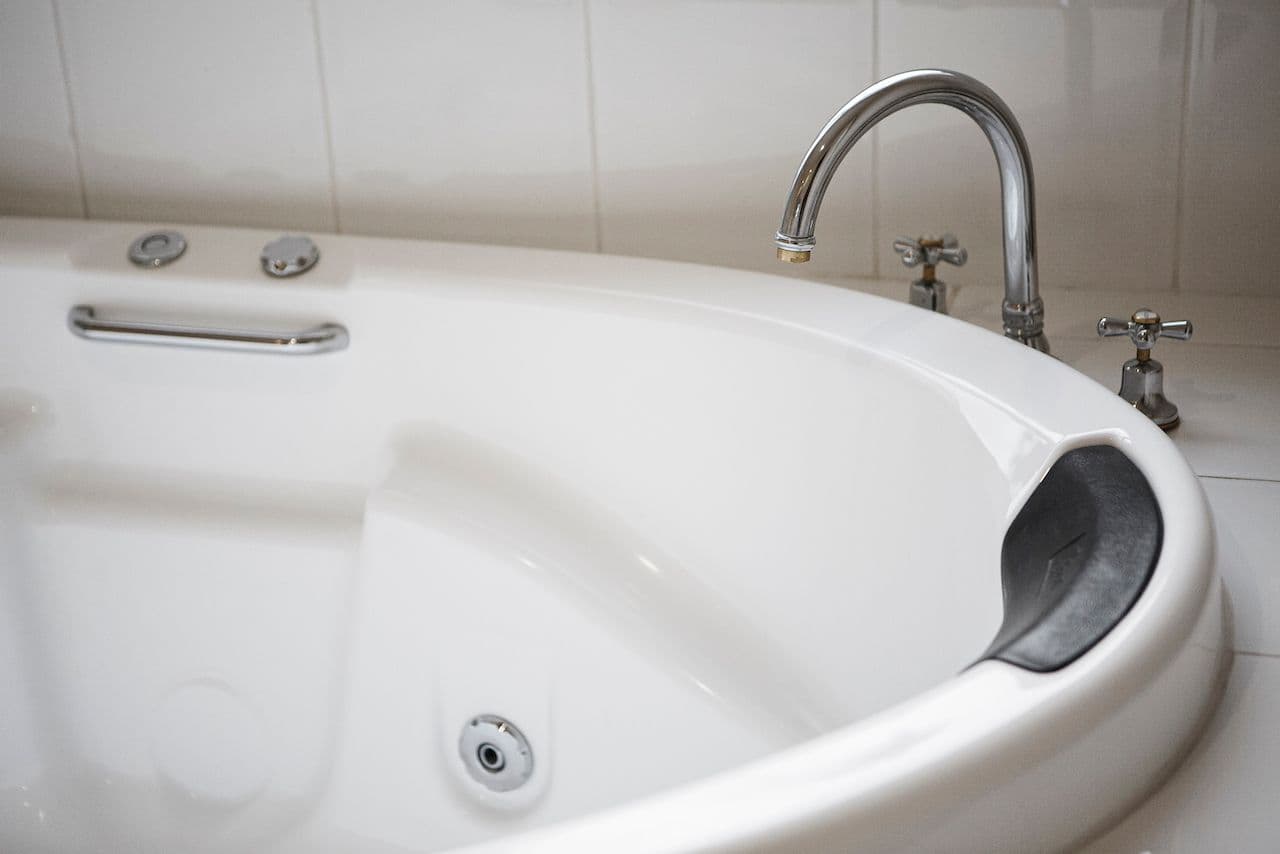
How to Protect Your New Bathtub
Regardless of which material you choose, proper care can extend the life and appearance of your bathtub.
Keep these tips in mind:
Follow the manufacturer's cleaning recommendations.
Avoid abrasive scrubbers and harsh cleaning products.
Don't use the tub surface as a place to store heavy or sharp objects.
Address plumbing leaks promptly.
Keep the bathroom properly ventilated.
Check caulk and seals periodically for deterioration.
Don't ignore cracks, chips, or other signs of surface damage.
Fiberglass vs Acrylic Tubs: Which One Is Right for You?
When it comes to fiberglass vs acrylic tubs, neither material is automatically right for every homeowner. Fiberglass can be an affordable, lightweight solution, while acrylic is often favored for its durability, smooth nonporous surface, and long-term appearance.
Your budget, bathroom layout, expected usage, maintenance preferences, and overall remodeling goals should all factor into the decision.
If you're ready to replace an outdated bathtub or rethink your entire bathroom, Top Tier Kitchens & Baths can help you create a space that fits your needs and style.
Remodeling your bathroom can feel overwhelming, but Top Tier Kitchens & Baths makes the process easier from start to finish. Your home is one of your biggest investments, so choosing the right remodeling company matters. As a locally owned company, we’re committed to providing exceptional products, quality craftsmanship, and outstanding customer service on every project.
Explore our bathroom renovation services or bathroom remodeling gallery for inspiration, then contact Top Tier Kitchens & Baths at 417-887-1100 or online to discuss your project and request a free quote.
Fiberglass vs Acrylic Tubs: Frequently Asked Questions
Are fiberglass tubs cheaper than acrylic tubs?
Fiberglass tubs are often less expensive than acrylic tubs, although actual prices vary by manufacturer, size, style, installation requirements, and other project factors.
Do acrylic tubs scratch easily?
Acrylic can scratch, particularly when abrasive cleaners or rough tools are used. However, minor scratches may sometimes be repaired or buffed depending on the product and extent of the damage.
Do fiberglass tubs turn yellow?
Fiberglass surfaces can discolor or fade over time. The extent of discoloration depends on factors such as the product, exposure, cleaning practices, and age.
Which is easier to clean, acrylic or fiberglass?
Both can be relatively easy to maintain. Acrylic's smooth, nonporous surface is one reason many homeowners prefer it for easy routine cleaning.
What is the best bathtub material?
There isn't one material that is best for every bathroom. When comparing bathtub materials, homeowners should consider cost, durability, appearance, maintenance, installation requirements, and expected use. Acrylic is often a strong all-around option, while fiberglass may be attractive for homeowners focused on affordability.
Related Topics
Get Started Today!
Submit a quote request on our website or give us a call at (417) 580-9717 to schedule a free, in-home consultation with one of our designers. We look forward to serving you!
Reviews
We recently had a complete kitchen remodel, added a full bathroom, and remodeled a half bath into a pantry. Top Tier was fantastic to work with and the results were beautiful.
We Had A walk in shower installed where we once had a tub Top tier had the whole project completed on time (2days) The folks that did the work did a excellent job I recommend Top Tier 100% We have some work in the future needing done and certainly will be using Top Tier again.
Top Tier Remodeled my bathroom. They were very professional, neat, and cooperative. We are very pleased with the quality of their work and the price. We definitely recommend Top Tier if you need Kitchen or Bathroom work.
We also had them remove and install a new back splash. Love what they did! They made sure the job was done, and done right. A great group of people to work with, very professional. We are so happy with the way the kitchen turned out! Highly recommended.
Joseph was a good salesman. He helped us pick out the colors that matched. The workers were courteous. They were pleasant and did good work.
Our Awards







Contact Us

Monday – Friday 9:00am – 5:00pm
